Oily Scalp vs Dry Scalp: How to Identify and Care for Your Scalp Type
Oily Scalp vs Dry Scalp: How to Identify and Care for Your Scalp Type
Understanding your scalp type is essential for maintaining healthier-looking hair. Many common concerns such as hair fall, dandruff, or scalp discomfort are often linked to whether the scalp is oily or dry.
Each scalp type requires a different approach to care and treatment for the best long-term results.
What is an oily scalp?
An oily scalp occurs when the scalp produces excess sebum. This can lead to a greasy appearance, quicker buildup, and a feeling of heaviness in the hair.
Common signs of an oily scalp include:
- Hair feeling oily soon after washing
- Visible scalp buildup or residue
- Flat or heavy-looking hair
- Increased need for frequent washing
What is a dry scalp?
A dry scalp lacks sufficient natural moisture balance. This can lead to flakiness, tightness, and discomfort.
Common signs of a dry scalp include:
- Small dry flakes on the scalp
- Itchiness or tight feeling
- Lack of scalp comfort after washing
- Dull or fragile-looking hair
Why identifying your scalp type matters
Using the wrong products or treatments for your scalp type can worsen concerns over time. For example, heavy products may increase buildup on an oily scalp, while harsh cleansing may worsen dryness.
Correct identification ensures your scalp receives the right balance of care and support.
How professional scalp analysis helps
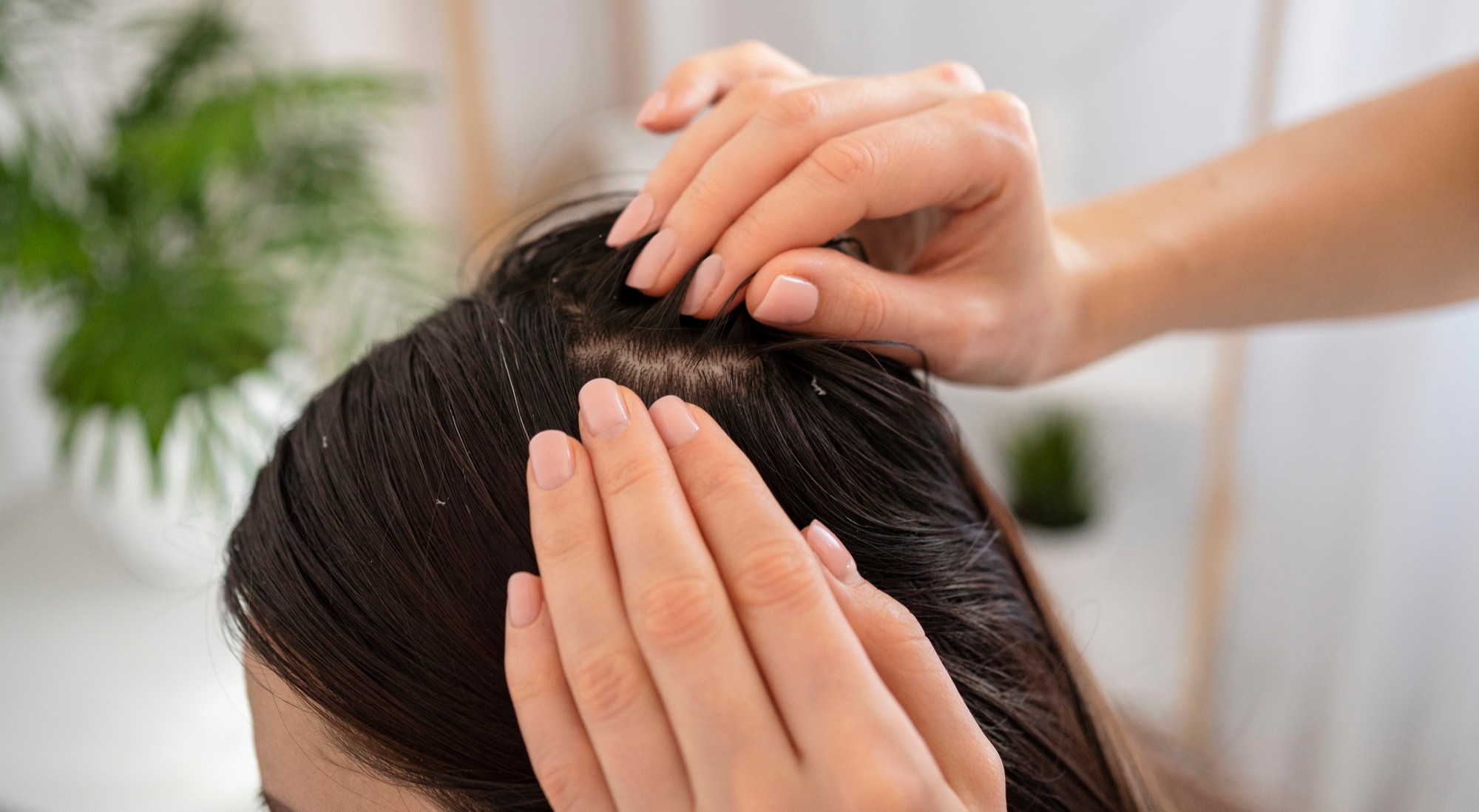
At Fleur Rôz, we perform a detailed scalp analysis to understand your scalp condition, oil levels, buildup, sensitivity, and hair density.
This allows us to create a fully customized treatment approach rather than using a one-size-fits-all solution.
How to improve scalp balance
Improving scalp condition is about restoring balance rather than over-treating. A combination of customized scalp treatments and appropriate homecare can help support a healthier-looking scalp environment over time.
Each treatment at Fleur Rôz is adjusted based on your specific scalp needs to ensure the most suitable approach.
Final thought
Whether your scalp is oily or dry, the key to healthier-looking hair lies in understanding your scalp condition and following a personalised care approach. With the right balance of professional treatments and homecare, scalp comfort and hair appearance can be significantly improved over time.

Where Beauty is Personalized
Consultations, treatments, and products tailored to your needs — complete salon, skin, and beauty care under one roof. From trusted ladies salon services in Sharjah to expert hair care and relaxing spa treatments near you, Fleur Roz brings it all together